

10 Simple Ways to Keep Your Hair Hydrated All Year Long


Keeping hair hydrated is something that many people struggle with. While there are plenty of products available that promise to do just that, there are also so many factors out there that constantly pull moisture out of strands, making it very easy for hair to feel dehydrated.
With hydration being essential if you want your hair to look strong and shiny, these 10 tips from Evalectric on how to keep your hair hydrated all year long will soon have you rocking the mane of your dreams!
1) Use a Hydrating Shampoo and Conditioner
Let’s start by talking about two hair care essentials that everyone should be using: shampoo and conditioner. While it would be nice to think that all of the shampoos and conditioners on the market have your hair’s best interests at heart, this isn’t actually the case, especially when it comes to shampoos. Instead, many of the cleansing agents that are used in shampoos have a stripping effect on the hair. This then causes strands to lose moisture at a much faster rate.
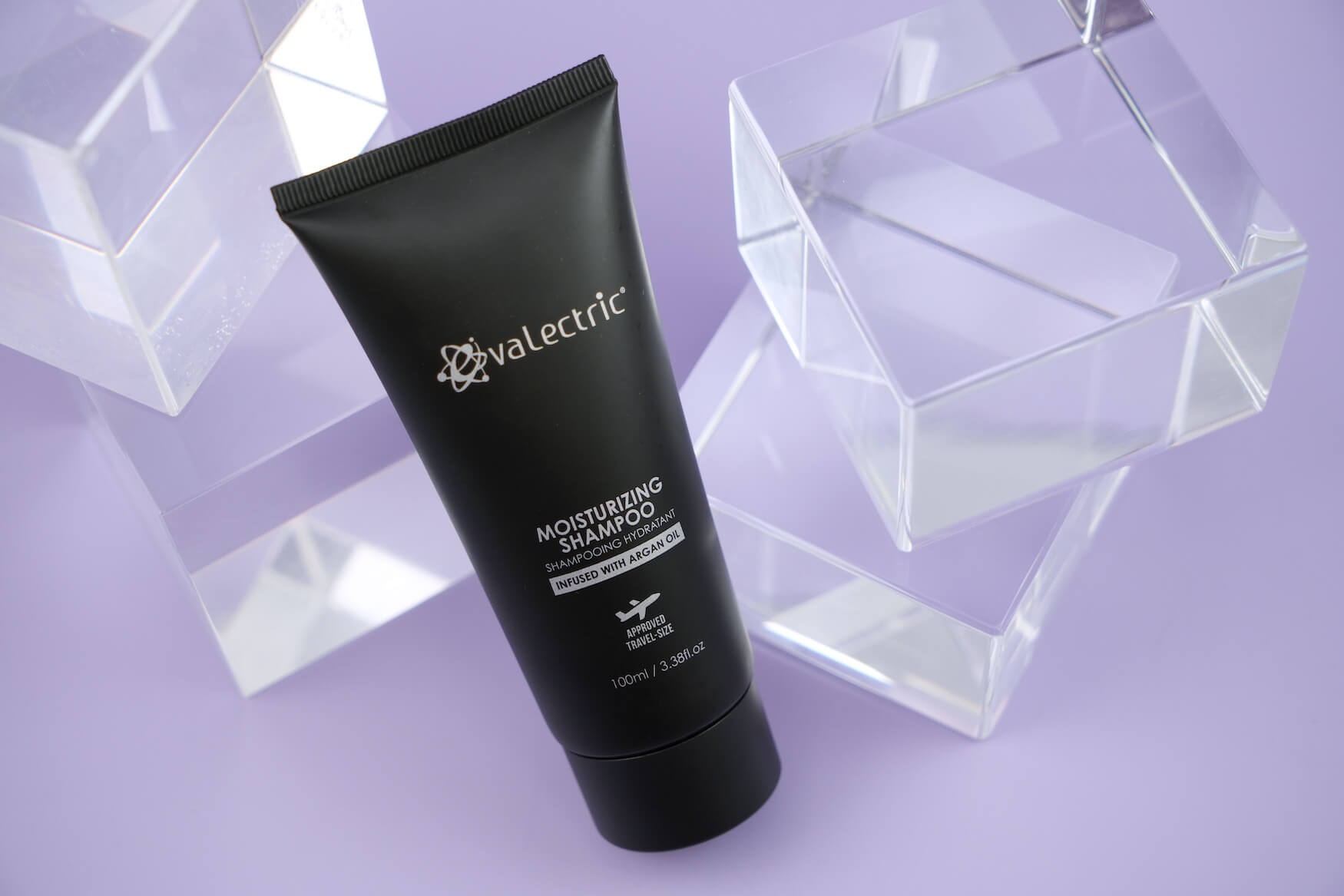
What can you do about this? Make sure that both your shampoo and your conditioner contain plenty of hydrating and moisturizing ingredients. Take the Moisturizing Shampoo from Evalectric as an example. This formula has been infused with argan oil, one of the best ingredients around for hydrating the hair. Argan oil is a rich source of fatty acids, with these compounds superstars at bringing moisture to thirsty strands. It also boasts a vast array of vitamins and antioxidants, all of which will leave your hair feeling healthier.
2) Deep Condition Weekly
Even with a gentle shampoo, you’ll still be leaving your locks susceptible to dehydration after washing them. This is why following up with a conditioner is so crucial. A good conditioner will restore that lost moisture to give your hair a smoother and bouncier finish.
However, sometimes, a regular conditioner isn’t enough. If your hair is often crying out for extra hydration, it would be worth adding a deep conditioner to your hair care routine. These conditioners are more intense than regular conditioners, which is why they shouldn’t be used after every wash. When applied once a week, on the other hand, they provide an extra boost of moisture while also giving the hair a stronger and more resilient finish.
3) Don’t Over-Wash Your Hair
As important as it may be to keep your hair clean, washing your hair too often will only work against your hydration efforts. Each time you wash your hair, even if you use a gentle shampoo, you’ll be removing the natural oil that coats your strands. Sure, too much of this oil will leave your locks greasy, but in small amounts, that oil serves an important purpose. It keeps your strands moisturized while protecting them from environmental damage. While your scalp constantly produces more oil, washing your hair too often will remove this before it’s able to travel down the length of your strands, leaving the mid-lengths and the ends of your hair dry and dehydrated.
So, how often should you wash your hair if you want to keep your hair hydrated? There’s no set answer – it depends on your hair type, lifestyle, and other factors. However, in general, wait until your hair actually feels dirty before washing it, rather than following a strict schedule.
Co-washing could also be worth trying if your hair could do with a refresher. This involves washing your hair with a conditioner instead of a shampoo. While its cleansing power won’t be as strong as that of a shampoo, this can be a good thing when done occasionally, especially if your hair is already dry or damaged.
4) Be Smart When Heat Styling
The outer layer of your hair, known as the hair cuticle, plays a key role in keeping hair hydrated. It locks moisture into each strand, preventing it from evaporating away. If anything damages the hair cuticle to the point where it lifts and roughens, moisture will leach away much faster.
Unfortunately, this is exactly what happens when your hair undergoes heat damage. Heated styling tools tend to be the biggest culprit due to the excessive temperatures that they emit. The good news? There are ways in which you can protect your hair from the appearance of heat damage while still being able to heat style your locks to perfection.
The first step is to always use a heat protectant. This will prevent the high temperatures from burning your strands and causing quite so much damage to your hair cuticles.
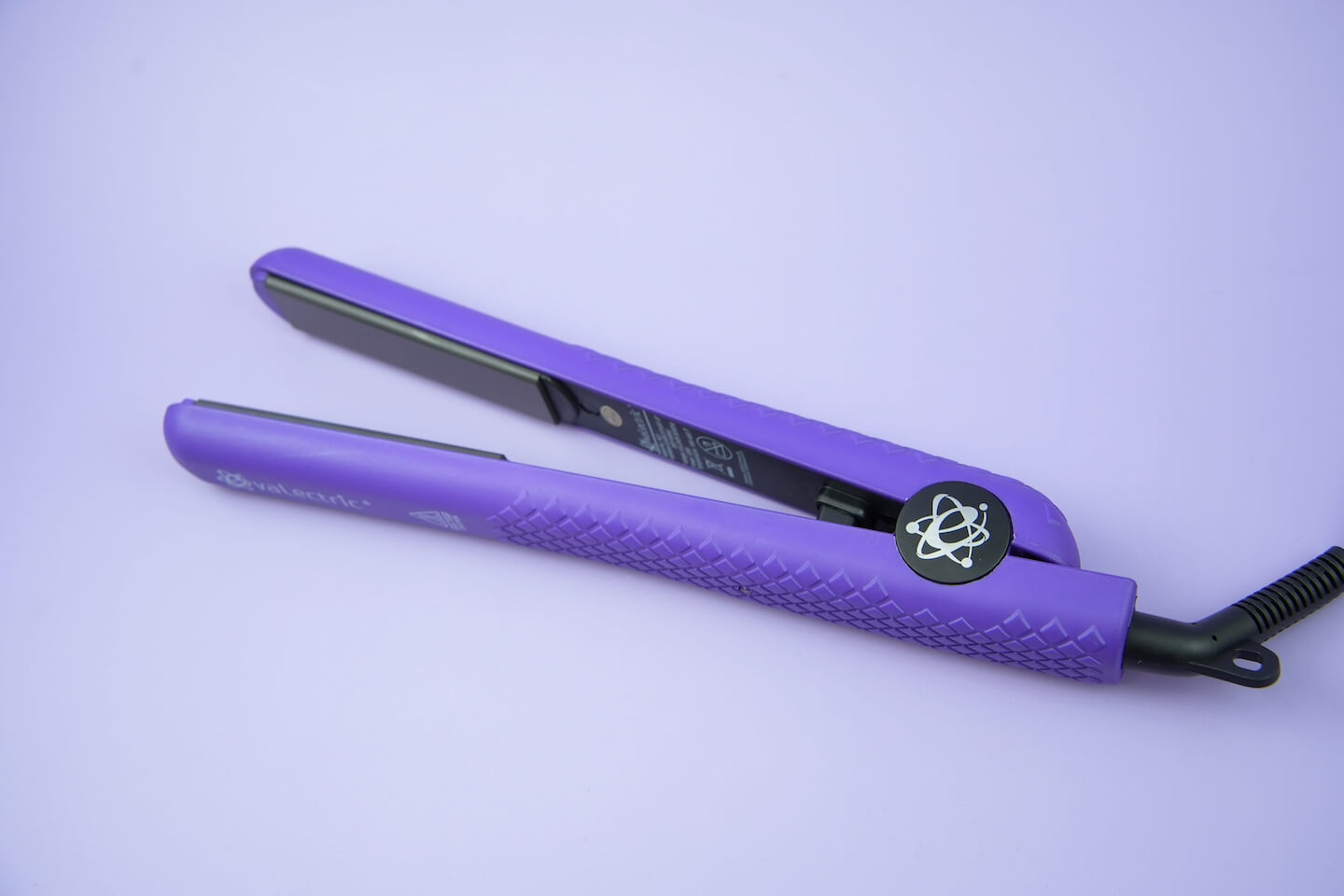
Your choice of heated styling tools will influence heat damage as well. Some heated styling tools, like the Deep Purple Classic Styler from Evalectric, come with an adjustable temperature dial. This will save you from exposing your hair to scorching temperatures. Instead, you’ll be able to turn down the heat to a level that’s hot enough to style your hair, but without burning it.
5) Protect Your Hair From the Elements
Of course, it’s not just heat that damages hair. The environment can play havoc with your strands too, quickly stripping away moisture. The sun, for example, can quickly leave hair dehydrated, while cold temperatures and strong winds have a similar effect.
To keep your hair hydrated and healthy, do your best to shield it from the harsh environmental elements around you. Make the most of hats and scarves – they provide a solid physical barrier between your hair and the environment. They’re great for keeping visible damage at bay. Protective hairstyles can also be useful. From braids to buns, these styles minimize the surface area of hair that’s exposed to the elements, significantly reducing damage.
6) Don’t Wash Your Hair With Hot Water
We’ve already talked about how dehydrating excessive heat can be to your hair. While the hot temperature of your shower may not seem excessive, your hair wouldn’t agree. Once hair is exposed to temperatures above 86°F, which isn’t particularly hot, sebum starts to melt away. Just like over-washing your hair, this runs the risk of leaving your strands more prone to dehydration, dryness, and damage.
To preserve the integrity of your strands while showering, aim to have your water temperature lukewarm rather than hot. Not only will this be beneficial when it comes to keeping your hair hydrated, but it will do the same for your skin too!
7) Add a Hydrating Hair Oil to Your Routine
The driest part of the hair is usually the ends. This is because of how long it takes for sebum to travel from your scalp to those ends, especially if your hair is long or curly. As a result, if you want to keep all of your hair hydrated, providing extra moisture to those thirsty ends can make a big difference.
This is where hair oils come in. While hair serums do this task well too, hair oils often have even more intense hydrating properties. Apply one to the ends of your hair the next time your hair is damp after being washed, and you’ll notice that your hair will look much healthier, better hydrated, and less frizzy.
8) Hydrate From Within
While topical hair care products are great for providing direct hydration, your strands need more than just that. Internal hydration is just as, if not more, important. The more hydrated your body is overall, the more access to moisture your hair follicles will have. These follicles are where your hair grows from – the healthier they feel, the healthier and more hydrated your hair will look.
Ideally, you should be aiming to drink around two liters of water per day. This doesn’t need to only be plain water – juices, herbal teas, and more also count toward this. Water-rich foods, from watermelons to strawberries to celery, can also help to bump up your body’s moisture reserves.
9) Sleep on Silk or Satin
Silk and satin pillowcases are often recommended to people who are suffering from hair damage and frizz. Thanks to how smooth these materials are, they don’t induce the same level of friction when your strands rub over them at night. This helps to keep the hair cuticles lying flat, resulting in a smoother and silkier look.
However, using a silk or satin pillowcase can also be a game-changer if you’re trying to keep your hair hydrated. Unlike cotton and other materials, both silk and satin aren’t very absorbent. While other fabrics will draw moisture away from your strands while you snooze, silk and satin won’t, enabling you to wake up each morning with hair that feels richly hydrated.
10) Get Frequent Trims
As we discussed earlier, the ends of the hair are the parts of your mane that are most prone to dehydration and damage. Once they start to split, this only exacerbates the problem. Moisture will escape at a much faster rate, leaving the rest of your hair feeling parched as well.
This is one of the reasons why regular trims are so important. By snipping away those dry and damaged ends, the rest of your hair will find it much easier to retain moisture. You’ll also be preventing those splits from traveling up your hair shaft and causing a greater amount of damage.
How often should you have your hair trimmed? Experts recommend doing so every six to eight weeks. This is the optimum amount for keeping hair hydrated, vibrant, and full.
Keep Your Hair Hydrated All Year Long With Evalectric
Hydration plays such a key role in the health of your hair, making it important to give your hair’s moisture content plenty of hydration. The more hydrated you can keep your strands, the better your hair will look, and the fewer hair problems you’ll be left to contend with. While ensuring adequate hydration can be tricky, start implementing the tips that we’ve shared above, and it won’t be long before you’ll finally be in control of how hydrated your hair feels.
Click here to pamper your strands with more bestselling hair products from Evalectric.