


Why Your Flat Iron is Tugging (It’s Not the Plates, It’s Your Sectioning)

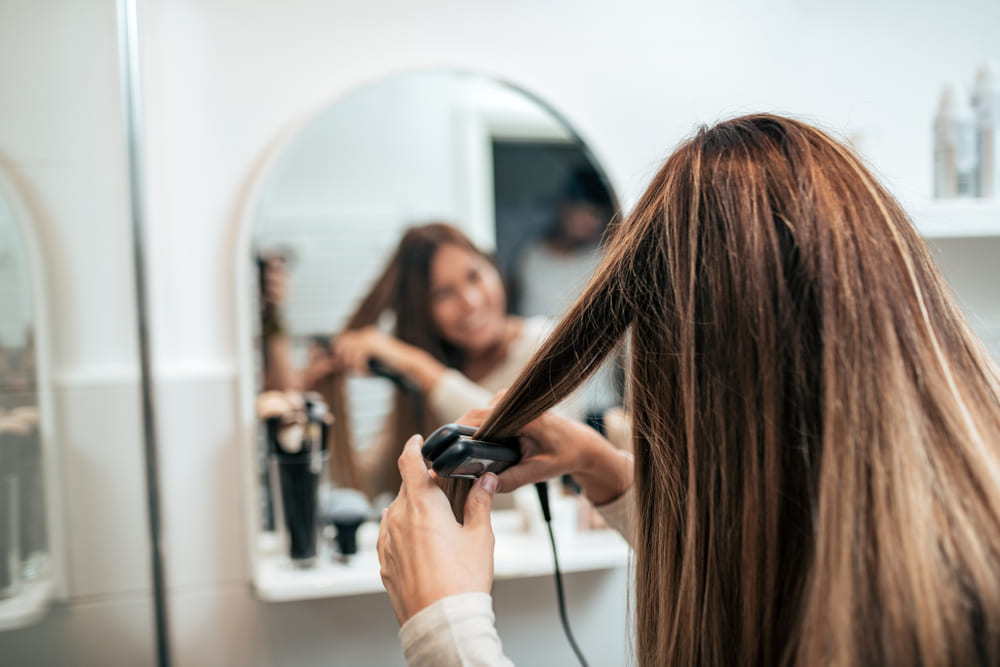
Your flat iron glides smoothly when you test it. The temperature is perfect. The reviews were glowing. So why does your hair keep snagging and pulling when you actually style it?
The truth: that flat iron tugging probably has nothing to do with your tool. The real culprit is your sectioning technique, and it’s costing you time, causing breakage, and preventing you from getting sleek results. Read on as Evalectric explains how to fix the problem.
The Sectioning Mistake Everyone Makes
Walk into any professional salon and watch a stylist work. They spend almost as much time sectioning hair as styling it. There’s a reason for that.
When you grab too much hair at once, your flat iron can’t distribute heat evenly. The plates only make direct contact with the outermost layers. Everything in the middle gets heated indirectly, which means it never straightens properly. So you make another pass. And another. Each pass creates more friction and more tugging.
This is why your arms get tired, your styling takes forever, and your hair looks inconsistent. You’re fighting against physics. If you stack ten sheets of paper and try to iron them, only the top and bottom sheets make contact with the iron. Hair works the same way.
The Golden Rule of Section Size
Your sections should be no thicker than the width of your flat iron plates. For a 1.25-inch flat iron, that means sections about the thickness of a pencil.
This isn’t just a suggestion. It’s the difference between hair that straightens in one pass and hair that requires multiple attempts.
Fine hair can handle slightly larger sections because heat penetrates easily. However, fine hair is delicate and prone to damage from repeated passes, so avoid going too large.
Thick or coarse hair needs smaller sections. Each strand has more diameter, meaning it takes longer for heat to penetrate. When you pack thick hair into a large section, the middle barely gets warm while the outside overheats.
Curly hair tricks you. A small-looking section of curly hair might contain much more than you think when stretched straight. Always err on the side of smaller sections for curly textures.
Hair density matters too. You might have fine individual strands, but if you have a lot of them, your sections still need to be smaller. Dense hair means more strands packed into the same space.
How to Section Hair Properly
If you want to put a stop to flat iron tugging, here’s the sectioning technique you’ll need to master:
Start With Completely Dry Hair
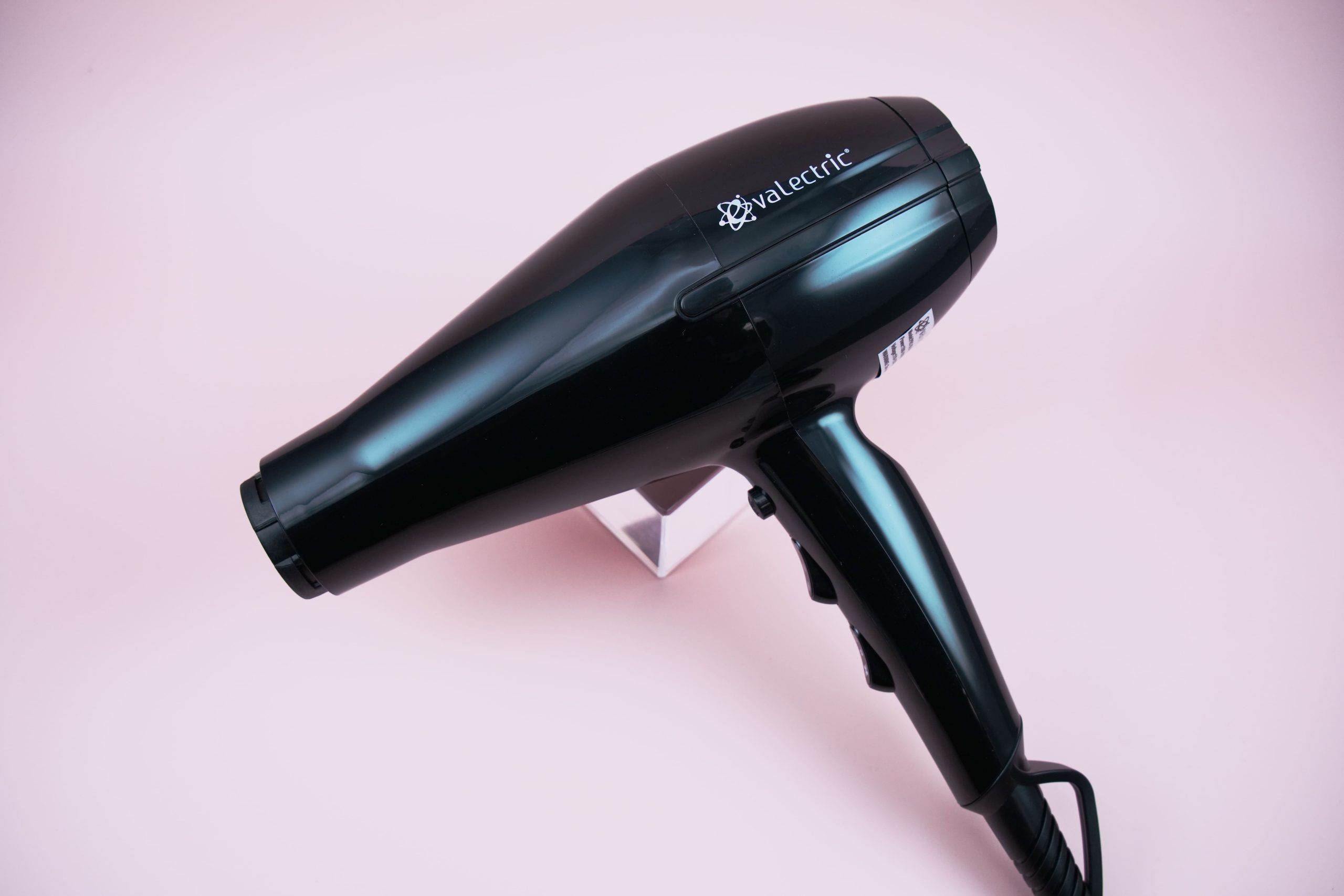
This is non-negotiable. Flat ironing damp hair creates steam that makes the hair shaft swell, leading to snagging and tugging. After washing with the Evalectric Moisturizing Shampoo, dry your hair completely with the Evalectric Pro Beauty Dryer. Even hair that feels mostly dry might still have moisture inside that will cause problems. With this dryer’s pro-grade motor, you’ll have your hair perfectly dry in no time!
Divide Into Four Quadrants
Part your hair down the middle from forehead to nape. Create a second part from ear to ear across the crown. Clip each section securely. This breaks your hair into manageable zones and ensures you don’t miss any sections.
Work From Bottom to Top
Starting with one quadrant, take a horizontal section from the very bottom near your neck. This section should be no wider than your flat iron plates. Everything else stays clipped up.
Why start at the bottom? Hair naturally falls downward. When you work from bottom to top, you’re working with gravity. The sections you’ve already straightened stay smooth and out of your way.
Comb Each Section Before Flat Ironing
Any tangles will catch on your plates, causing significant flat iron tugging. Use a wide-tooth comb to smooth and de-tangle the section completely. Pay special attention to the ends where tangles hide most often.
Take Your Time With Each Section
Move methodically across each quadrant, taking parallel horizontal sections that are all the same size. Think of mowing a lawn in straight rows rather than randomly pushing the mower around.
Angle and Tension Matter
Hold each section at a 90-degree angle from your head. Pull the section straight out, perpendicular to your scalp. This creates tension that keeps hair taut and prevents bunching.
The tension should be firm but not painful. You’re keeping the hair controlled, not stressing your scalp. Think of holding a ribbon smooth enough to curl it.
Maintain that tension as you glide the flat iron down. Many people start with good tension, then let the section go slack halfway through. If the section droops, you’ll get uneven results.
Use your free hand to keep tension consistent. As you move the flat iron down with one hand, maintain that 90-degree angle with the other hand.
Move at a steady pace. Too slow overheats hair. Too fast doesn’t straighten it. The sweet spot is about five to eight seconds from roots to ends on medium-length hair.
Consistency is key. Each section should get the same treatment in terms of speed, heat, and tension for uniform results.
Choose the Right Tool Width
Your flat iron should match your hair type and styling needs. A wider plate works better for long, thick hair because it covers more surface area. For shorter or finer hair, a smaller plate offers more control and precision without overwhelming smaller sections.
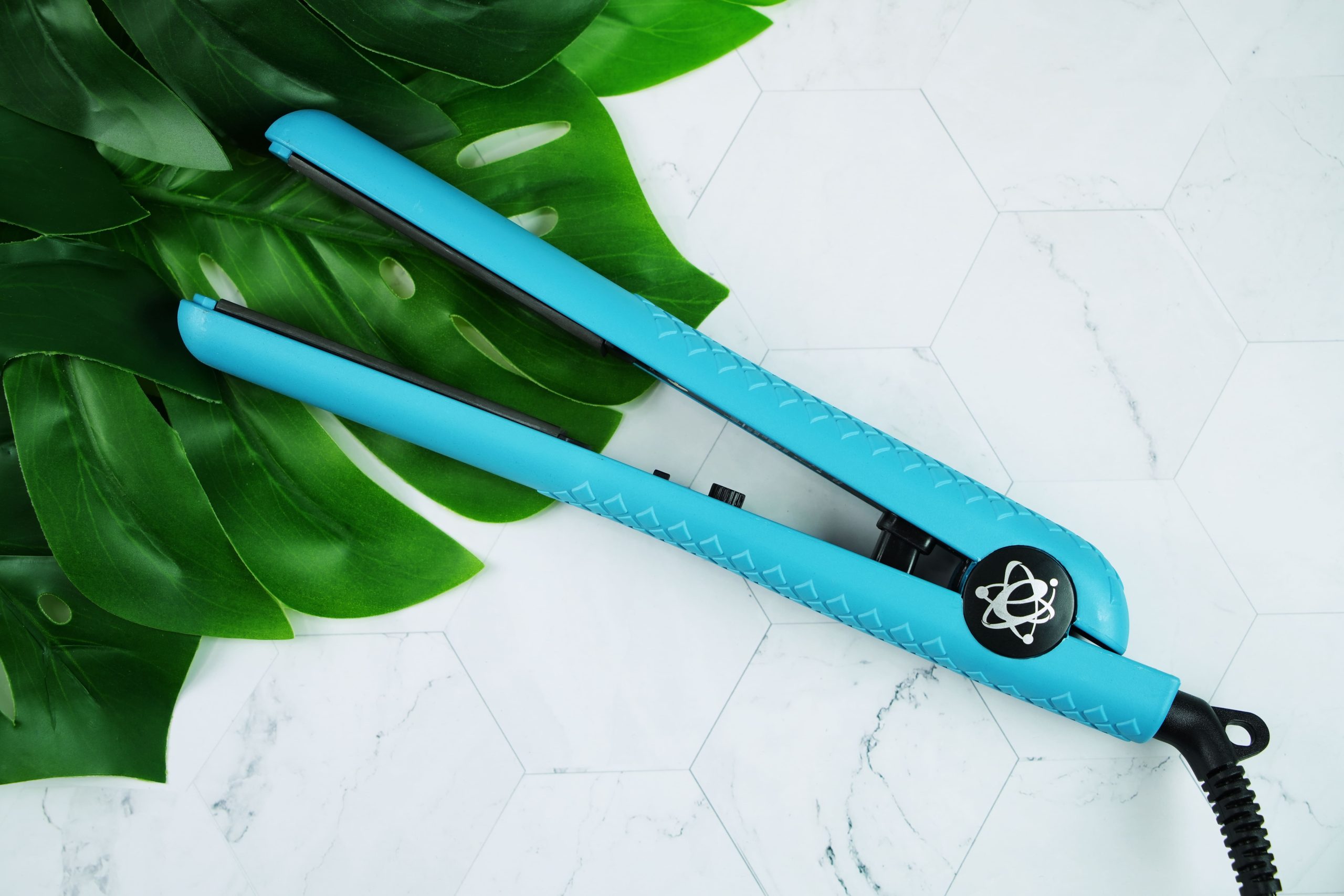
The Evalectric Ocean Blue Classic Styler provides excellent control for working with properly sized sections on most hair types. Its 1.25″ plate width matches the recommended section thickness perfectly, making proper technique easier to master. When your tool width aligns with your section size, you can achieve smooth results without fighting against the physics of heat transfer.
Professional-grade tools, like the Evalectric Titanium Pro Lavender, heat evenly and maintain consistent temperature across the entire plate surface. This even heat distribution means you can achieve results in a single pass when your sectioning is correct, reducing the total amount of friction and heat exposure your hair endures. Inconsistent heating forces you to make multiple passes, which defeats the purpose of proper sectioning.
Temperature control matters too. A flat iron that heats too high can damage hair even with perfect sectioning. One that doesn’t get hot enough forces you to make extra passes. Look for tools with adjustable temperature settings, like the hot tools available from Evalectric, so you can find the right heat level for your hair type.
For a complete styling system that addresses every step of the process, the Silk Complete Set Black includes multiple tools designed to work together seamlessly from washing through final styling. Having coordinated tools ensures you’re building the best possible foundation for heat styling success.
Common Mistakes That Cause Flat Iron Tugging
Let’s take a look at some of the most common mistakes people make that lead to flat iron tugging:
- Random grabbing. You’ve finished the bottom section, and you just grab whatever seems convenient next without checking thickness. This creates irregular section sizes. The thick sections don’t straighten properly and increase the chances of flat iron tugging. Work systematically instead, taking parallel horizontal sections of consistent thickness.
- Diagonal sections. Unless creating a specific style, keep sections straight and horizontal. Diagonal sections create uneven thickness. The thin end straightens fine, but the thick end won’t.
- Twisting your wrist. Some people unconsciously twist their wrist as they move the flat iron down. This changes the angle of the plates and can cause hair to wrap around them. Keep your wrist steady.
- Overlapping sections. Don’t grab hair from the section you just finished. This means some strands get flat ironed twice in quick succession, increasing heat exposure and creating uneven results.
- Changing your technique midway. If you start with pencil-thick sections but get impatient and grab larger ones toward the front, your results will be inconsistent. Stick with the same section size throughout.
- Ignoring problem areas. The hair around your face and crown might have a different texture from the back. Problem areas might need even smaller sections than the rest of your hair.
Sectioning for Different Hair Types
Fine hair can handle sections about pencil thickness. The challenge is avoiding heat damage from repeated passes. Size sections to straighten in one pass. If you’re going over fine hair multiple times, reduce your section size.
Thick, coarse hair needs smaller sections and more patience. Each strand has a greater diameter, taking longer for heat to penetrate. Sections should be pen thickness or smaller. This takes more time but means fewer passes and less damage overall.
Curly or kinky hair tricks you with its appearance. The curl pattern compresses hair into a smaller visual space. When you pull a curly section straight, it contains much more hair than it looks. Always use smaller sections for curly textures.
Color-treated hair often has varying porosity along its length. Ends are usually more damaged than roots. Pay attention to how different parts respond to heat. Ends may need less heat or fewer passes.
Test Your Technique

Hold a section up to the light. You should see light through it fairly easily. If it looks completely opaque, you’ve grabbed too much.
Count your passes. With proper sectioning, you should straighten hair in one or two passes maximum. If you’re regularly making three or more passes, your sections are too thick.
Notice how your flat iron feels. It should glide smoothly from roots to ends without catching or requiring force. Any resistance signals a problem with section size, hair preparation, or tool condition.
Your Hair Care Routine Matters Too
Perfect sectioning can’t fix damaged, dry, or product-coated hair. Even with flawless technique, compromised hair will fight against your straightener, causing flat iron tugging.
Product buildup is a common culprit that nobody talks about enough. Styling products, dry shampoo, leave-in conditioners, and even regular conditioner that wasn’t rinsed thoroughly all leave residue on your hair shaft. Over time, this builds up and creates an uneven, sticky surface. When your flat iron encounters these rough, tacky patches, it catches and pulls instead of gliding smoothly.
Hard water minerals compound this problem. If you live in an area with hard water, calcium and magnesium deposits accumulate on your hair every time you wash it. These minerals create a rough texture that makes hair harder to straighten and more prone to snagging. Regular clarifying treatments strip away this buildup, restoring the smooth surface your flat iron needs.
Moisture balance is equally important and often misunderstood. Hair that’s too dry has cuticles that stand up like shingles on a damaged roof. These raised cuticles create friction against the flat iron plates. Every time the plates try to move down the hair shaft, they catch on those raised scales. This is why dry, damaged hair is so hard to straighten and why it tugs constantly.
Properly moisturized hair has cuticles that lie flat and smooth, creating a slick surface that lets plates glide effortlessly. A quality shampoo and conditioner system designed to maintain moisture helps keep those cuticles smooth. Deep conditioning treatments once a week provide extra moisture for particularly dry or damaged hair.
Split ends catch on everything. They’re like Velcro for flat iron plates. Regular trims every six to eight weeks eliminate these damaged ends before they become a problem. If hair feels strawlike or crunchy, it needs deep conditioning and protein treatments before heat styling will work well.
The Bottom Line
The next time you experience your flat iron tugging, resist the urge to blame the tool. Check your sectioning technique instead.
Are your sections truly pencil-thin? Are you working systematically with horizontal sections? Are you maintaining steady tension at a 90-degree angle throughout each pass?
Quality tools glide smoothly when used correctly, but even the most expensive flat iron can’t compensate for sections that are too thick. The physics doesn’t work. Heat can’t penetrate dense sections, and repeated passes create the friction and tugging you’re trying to avoid.
Mastering sectioning takes practice. Your first attempts at properly sized sections might feel slow and tedious. But as the technique becomes habit, you’ll find that proper sectioning actually speeds up your routine. You make fewer passes, fight less resistance, and achieve better results on the first try.
Want to improve your styling routine and results even more? Click here to check out Evalectric’s bestsellers!